English| EUR
Suggested for you
More currencies
Choose a language
The Amsterdam–Cologne rail corridor is one of Western Europe's busiest cross-border routes, served by high-speed and intercity trains throughout the day. This guide covers departure frequency, journey structure, and what to expect when traveling between the Netherlands and Germany by rail.
Quick answer
Yes, there is a direct train from Amsterdam to Cologne. NS International and Deutsche Bahn operate frequent direct services daily from Amsterdam Centraal Station to Cologne Hauptbahnhof, with departures available from 06:00 to 22:00. One-way tickets start at 20 EUR per person. The journey takes approximately 2 hours 45 minutes, and trains run every one to two hours depending on the time of day.
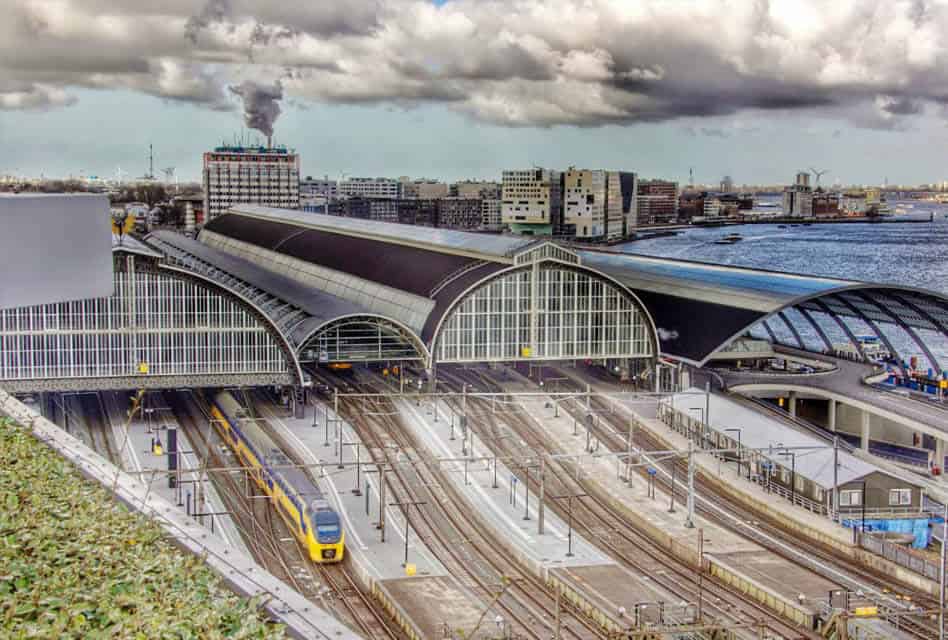
The rail link between Amsterdam and Cologne has been a cornerstone of European intercity travel since the 1980s, and today it operates with clockface regularity on one of the continent's most reliable high-speed corridors. Direct services eliminate the need for transfers, making the route straightforward for both business travelers and day-trippers. Trains depart from Amsterdam Centraal Station, located at Stationsplein in the city center, and arrive at Cologne Hauptbahnhof adjacent to the cathedral. The route crosses the Dutch–German border near Venlo, then continues through the Ruhr industrial region before reaching Cologne. Most services use ICE or Intercity rolling stock, equipped with standard and first-class seating, onboard catering, and power outlets at most seats. Wi-Fi availability varies by operator and train type. Departure frequency peaks during weekday mornings and late afternoons, with slightly reduced intervals on weekends. Seat reservations are optional but recommended during peak travel periods, particularly Friday evenings and Sunday afternoons when the corridor sees high commuter and leisure traffic. Tickets purchased in advance through NS International or Deutsche Bahn typically offer lower fares than same-day purchases at the station. The Amsterdam to Cologne train operates year-round with no seasonal suspensions. Service adjustments may occur during public holidays or planned infrastructure maintenance, but alternative routings or replacement buses are provided when necessary. Passengers should allow at least 10 minutes for platform changes at Amsterdam Centraal, as the station handles both domestic and international departures from separate track sections. Cologne Hauptbahnhof is a major hub, so onward connections to cities across Germany and beyond are plentiful throughout the day.
“The Amsterdam–Cologne rail corridor eliminates the need for transfers, operating with clockface regularity on one of Europe's most reliable high-speed routes.”
The best arrival window is 06:00–22:00, as frequent daily departures offer flexibility for travel throughout the day. Choosing mid-week travel helps avoid peak commuter periods and weekend passenger volume.
—
Trains are frequent with standard commuter traffic. Mid-week morning departures provide consistent service availability.
Mild temperatures around 10°C to 18°C
These months offer balanced weather for walking between Cologne transit hubs and local attractions.
Warm weather averaging 20°C to 25°C
Increased visitor numbers occur during July and August. Advance planning is recommended for these busier periods.
Cold weather ranging from 1°C to 6°C
Travel is quieter during winter, though demand increases during late November and December for regional holiday markets.
Verdict: The best time to travel is Tuesday to Thursday between 06:00 and 10:00 during the months of April or October.
This plan suits travelers seeking a full day in Cologne with minimal transit complexity. The round trip allows approximately six hours in the city between trains.
Board a direct Intercity train to Cologne; journey time is roughly 2 hours 45 minutes. Reserve a window seat to watch the Rhine valley approach.
Exit the station and walk directly to the cathedral, visible from the forecourt. Store luggage in station lockers if traveling light isn't possible.
Climb the south tower for city views, then tour the interior and treasury. Budget 90 minutes including queue time during peak season.
Cross Hohenzollern Bridge for classic skyline photos, then return to explore the old town's narrow lanes and Romano-Germanic Museum. Stop for a traditional Kölsch lunch at a brewery hall.
Stroll the Rhine promenade or browse Belgian Quarter boutiques depending on your interests. Keep an eye on your return departure time.
Board a direct train back to Amsterdam, arriving around 19:45. Evening departures run until 22:00 if you prefer a longer stay.
Prepare these essentials before your journey to ensure smooth boarding and travel.
Everything you need to know about is there a direct train from amsterdam to cologne
Yes, there is a direct train from Amsterdam to Cologne that provides a seamless connection between the two cities. Utilizing the high-speed ICE service ensures you travel efficiently between the Netherlands and Germany.
The travel time is approximately 2 hours and 40 minutes, making it a convenient option for your itinerary. Travelers often find this rail link to be the most comfortable way to cross the border.
You can depart from Amsterdam Centraal Station, which is the primary hub for international rail travel in the city. Navigating the station is straightforward, with clear signage leading to the international platforms.
Frequent daily departures offer flexibility for travel throughout the day, allowing you to plan your schedule with ease. Checking the official rail carrier website helps ensure you hit your preferred arrival window.
Starting prices for a one-way train ticket are 20 EUR, which provides an affordable base for your travel budget. Keeping an eye on the official site allows you to monitor fare updates.
Booking in advance is highly recommended to secure your seat and manage your travel plans effectively. Planning ahead is the best way to ensure availability for your specific travel dates.
Yes, is there a direct train from Amsterdam to Cologne that makes a day trip entirely feasible. Frequent service throughout the day supports both morning departures and evening returns.